Why Epoxy Floor Training Is Essential for Success in the Flooring Industry

Epoxy Floor Training

The Rise of Advanced Coating Systems in Modern Spaces

Concrete coatings have transformed the way homeowners and businesses protect and enhance their floors. While epoxy flooring once dominated the market, polyurea and polyaspartic coatings have become the preferred choice for those who want both durability and flexibility. These systems resist chemicals, abrasions, and UV damage far better than epoxy, all while curing faster and maintaining a glossy, professional finish.

As more customers move away from epoxy toward advanced systems, trained installers who understand the latest coating technologies are in high demand across residential, commercial, and industrial projects.
Epoxy Floor Training

Why Training Makes a Lasting Difference

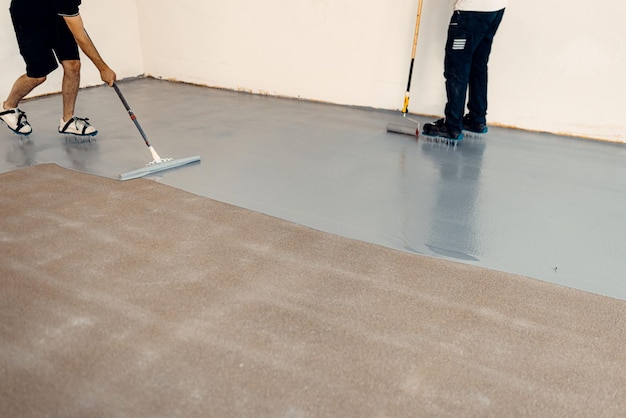
Even though the term “Epoxy Floor Training” is commonly searched online, modern training programs now focus on polyurea and polyaspartic coatings, which require a more precise installation process. These coatings cure quickly and bond differently than epoxy, meaning correct timing, preparation, and product handling are critical to success.

Comprehensive training helps installers master:

  • Proper surface preparation and moisture testing
  • Mixing and application timing unique to polyurea systems
  • Techniques for temperature-sensitive curing
  • Crack repair and leveling for long-term adhesion
  • Safe handling of fast-curing materials

Professionals who complete hands-on training reduce costly mistakes like peeling, delamination, or uneven finishes, ensuring stronger bonds and superior results on every job.

Elevating Professional Credibility and Client Confidence

Clients are becoming more educated about coating options and want long-lasting results. When a contractor completes professional training, even if it’s known as Epoxy Floor Training, it demonstrates a deep understanding of advanced coating systems, including polyurea and polyaspartic technology.

Skilled installers not only deliver flawless floors but also build trust through transparency and proven workmanship. Quality training reflects a commitment to excellence and positions contractors as reliable professionals capable of delivering results that outperform traditional epoxy.
Epoxy Floor Training

Staying Competitive with Next-Generation Coatings

The flooring industry is evolving quickly. Epoxy remains familiar, but polyurea and polyaspartic coatings now lead the market for their flexibility, UV stability, and quick turnaround time. Installers who invest in updated training stay ahead of competitors who still rely solely on epoxy systems.

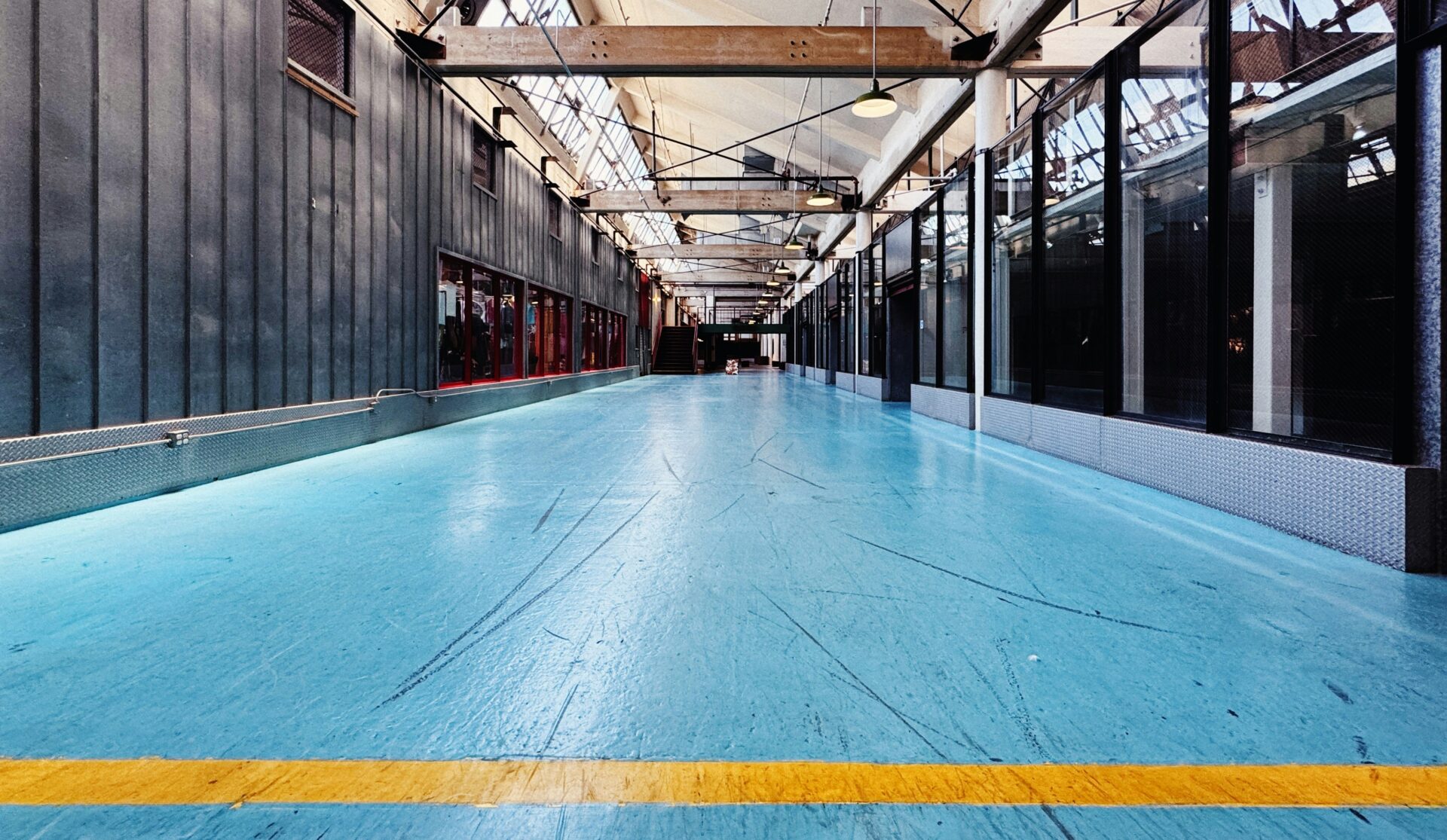
Training opens opportunities to specialize, whether in decorative flake systems, commercial-grade finishes, or outdoor applications that epoxy cannot withstand. Professionals who adapt to these innovations can take on a wider range of projects and increase profitability.

Building a Future of Quality and Excellence

In today’s coatings industry, long-term success depends on skill, precision, and continuous learning. While the term “Epoxy Floor Training” may still dominate searches, the real value lies in mastering polyurea and polyaspartic coatings, the future of concrete protection.

Professionals who upgrade their knowledge deliver floors that resist fading, peeling, and cracking far beyond epoxy’s limits. That difference in performance translates to happier clients, repeat business, and a stronger reputation in the market.

For anyone serious about building a career in floor coatings, training is not just an option; it’s an investment in excellence. The right education helps you master the next generation of coatings and provide results that truly last.
Frequently Asked Questions

No. Starting a coatings business independently gives you complete control over operations and profits. Unlike a franchise, there are no royalty fees, strict guidelines, or corporate rules. You can still learn industry best practices through independent training programs and educational resources without giving up ownership of your business.

A franchise-like opportunity offers the same structure, product knowledge, and proven systems as a traditional franchise but without limitations or ongoing fees. You receive guidance on coatings, equipment, and business development while staying fully independent and keeping 100% of what you earn.

Starting a coatings business involves:

  • Learning modern coating systems like polyurea and polyaspartic through industry training
  • Investing in professional-grade equipment and materials
  • Creating a marketing plan to attract local customers
  • Setting up business essentials like licenses and insurance

Once trained, you can begin offering high-performance floor coatings for garages, patios, basements, and commercial spaces in your area.

No prior experience is required. Many successful installers come from construction, painting, or contracting backgrounds. Complete beginners can learn through professional coating training programs that cover surface preparation, product application, and business operations. Most modern training focuses on polyurea and polyaspartic coatings, which have replaced epoxy in many professional applications.

While epoxy has been popular for years, polyurea systems are now the preferred choice for their performance and durability. Polyurea coatings cure faster, move with the concrete during temperature changes, and resist UV damage, yellowing, and cracking especially when finished with a polyaspartic topcoat. Epoxy remains common in basic applications, but polyurea offers superior long-term results.

Startup costs depend on your region and the size of your operation, but they typically include:

  • Training or certification programs
  • Application equipment (grinders, vacuums, mixers, etc.)
  • Initial material inventory
  • Marketing, website, and branding expenses

Most business owners start with a moderate investment and grow steadily as customer demand increases.

Independent training and supplier programs typically provide:

  • Product and equipment recommendations
  • Pricing and marketing guidance
  • Application techniques and troubleshooting support

These resources help new business owners succeed without the restrictions or ongoing fees that come with a franchise model.

Yes. Many contractors expand into coatings to add a high-margin service to their existing portfolio. Garage, basement, and patio coatings are in high demand and fit naturally into businesses specializing in construction, painting, remodeling, or general home improvement.

Most professional coating programs take between 2 to 5 days and cover surface prep, mixing, coating application, and finishing techniques. While the term Epoxy Floor Training is widely searched online, the most effective programs now teach polyurea and polyaspartic systems, which are faster-curing, longer-lasting, and more flexible than epoxy.

Yes. Coatings businesses have relatively low overhead and strong profit margins. With the growing demand for durable, decorative concrete coatings, this field offers excellent opportunities for entrepreneurs who want to build an independent, high-performing business.